

1871 Founding Rugby Club Shirts
-
 Select options This product has multiple variants. The options may be chosen on the product page
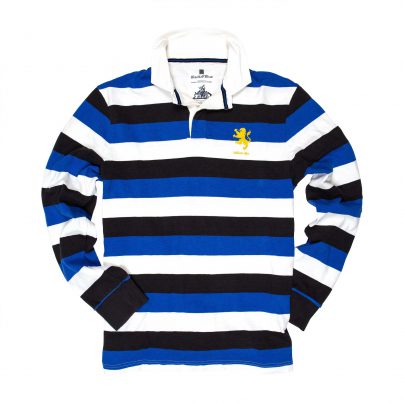
ADDISON 1871 RUGBY SHIRT (PLN)
£120.00 -
 Select options This product has multiple variants. The options may be chosen on the product page
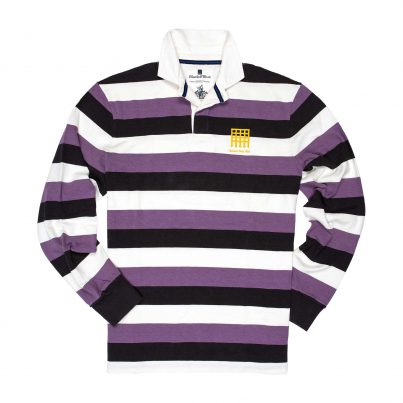
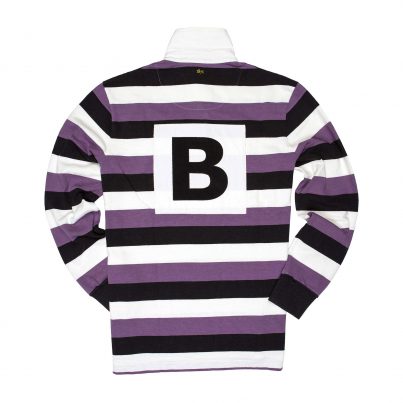
BELSIZE PARK 1871 RUGBY SHIRT
£120.00 -

 Select options This product has multiple variants. The options may be chosen on the product page
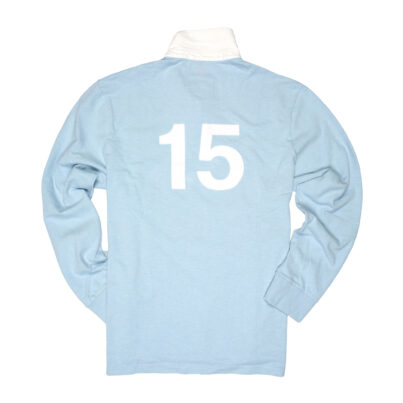
FLAMINGOES 1871 RUGBY SHIRT
£120.00 -

 Select options This product has multiple variants. The options may be chosen on the product page
 -
 Select options This product has multiple variants. The options may be chosen on the product page
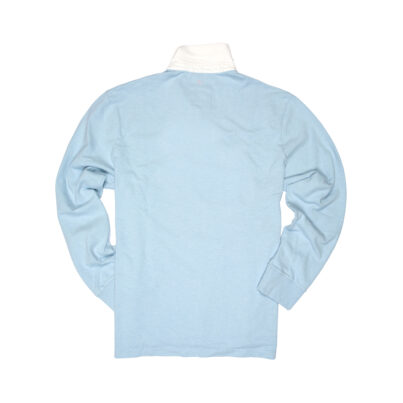
GIPSIES 1871 RUGBY SHIRT (PLN)
£120.00 -
Out of Stock

 Select options This product has multiple variants. The options may be chosen on the product page
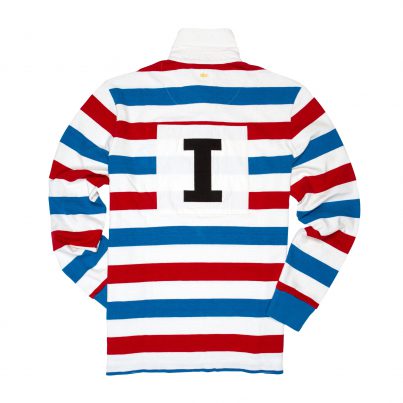
LAUSANNE 1871 RUGBY SHIRT
£120.00 -
 Select options This product has multiple variants. The options may be chosen on the product page
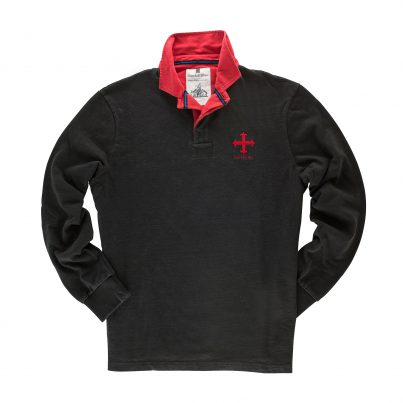
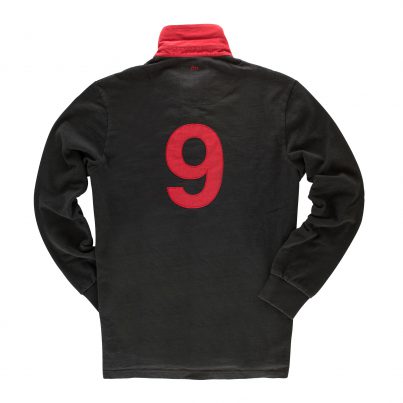
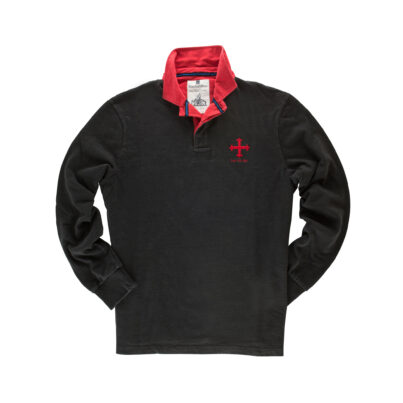
LAW CLUB 1871 RUGBY SHIRT
£120.00 -
 Select options This product has multiple variants. The options may be chosen on the product page
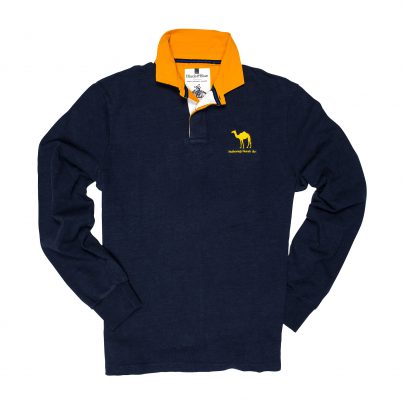
LAW CLUB 1871 RUGBY SHIRT (PLN)
£120.00 -
 Select options This product has multiple variants. The options may be chosen on the product page
 -
 Select options This product has multiple variants. The options may be chosen on the product page
 -
 Select options This product has multiple variants. The options may be chosen on the product page
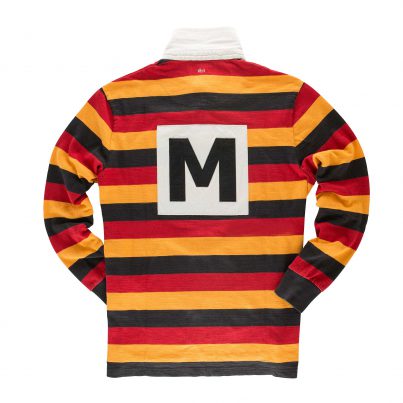
MOHICANS 1871 RUGBY SHIRT
£120.00 -
 Select options This product has multiple variants. The options may be chosen on the product page
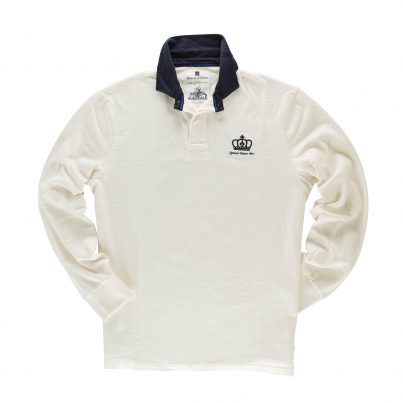
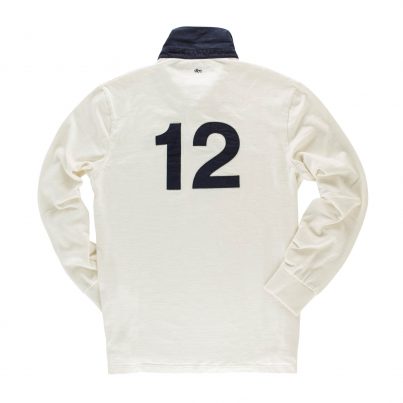
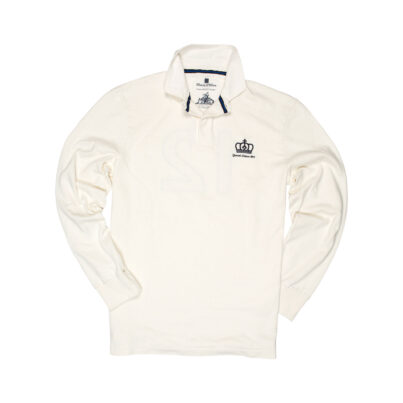
QUEEN’S HOUSE 1871 RUGBY SHIRT
£120.00 -
 Select options This product has multiple variants. The options may be chosen on the product page
 -
 Select options This product has multiple variants. The options may be chosen on the product page
 -
 Select options This product has multiple variants. The options may be chosen on the product page
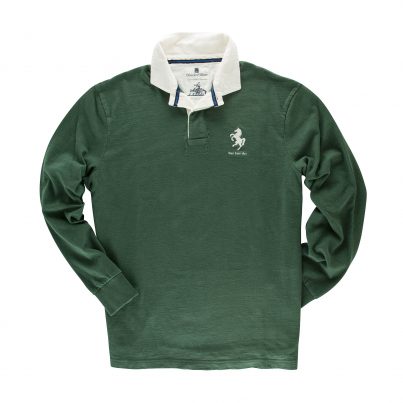
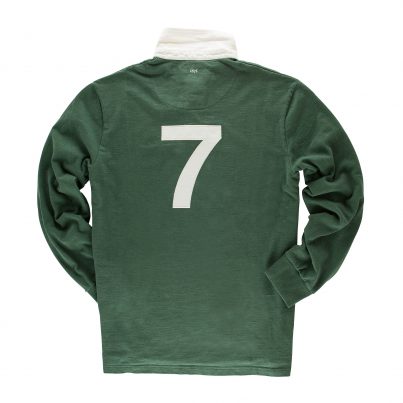
WEST KENT 1871 RUGBY SHIRT
£120.00 -
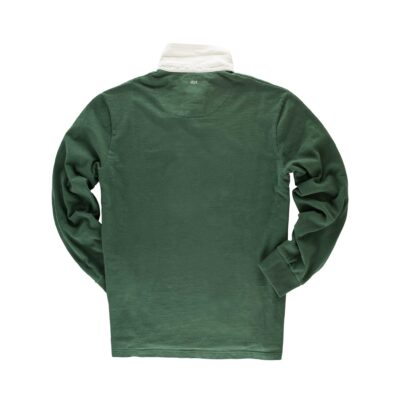 Select options This product has multiple variants. The options may be chosen on the product page
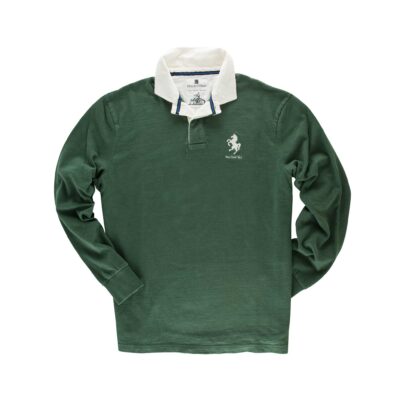
WEST KENT 1871 RUGBY SHIRT (PLN)
£120.00 -
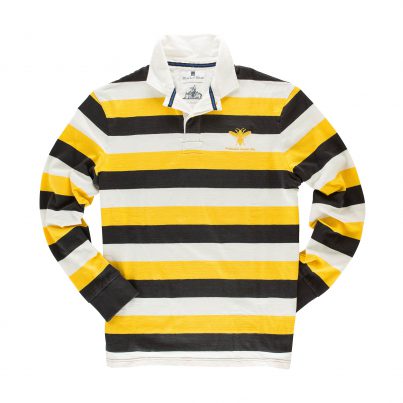
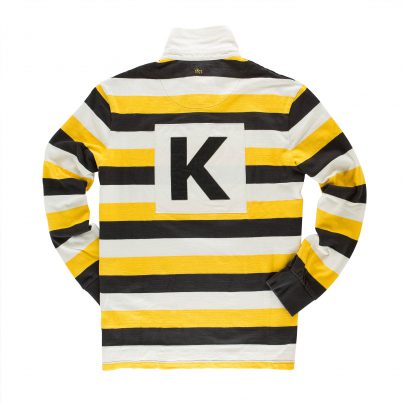 Select options This product has multiple variants. The options may be chosen on the product page
VINTAGE 1871 FOUNDING RUGBY CLUBS SHIRTS
The Story Behind the 1871 Founding Clubs
The story of Black & Blue 1871 begins with the story of rugby itself.
In the middle of the nineteenth century, rugby football was spreading rapidly beyond Rugby School. Clubs and schools around Britain were playing versions of the game based on Rugby School football, but there was no central governing body and no universally accepted set of rules.
Different clubs played to slightly different interpretations of the game.
By 1870, it had become increasingly clear that some form of common code was needed.
The Formation of the Rugby Football Union
On 26 January 1871, representatives of 21 London and surrounding football clubs met at the Pall Mall Restaurant at 9–10 Haymarket in London.
Their objective was straightforward: to establish a common code of rugby football and create a central governing body.
The meeting resulted in the formation of the Rugby Football Union (RFU).
The original 21 member clubs were:
Addison, Belsize Park, Blackheath, Civil Service, Clapham Rovers, Flamingoes, Gipsies, Guy’s Hospital, Harlequins, King’s College Hospital, Lausanne, Law Club, Marlborough Nomads, Mohicans, Queen’s House, Ravenscourt Park, Richmond, St Paul’s School, Wellington College, West Kent and Wimbledon Hornets.
Each club paid an entrance fee and annual subscription and was entitled to send representatives to the Union’s meetings.
The RFU created a framework through which the developing game could establish common rules and develop as an organised sport.
The 21 Original RFU Clubs
The original members were a fascinating mixture of early sporting institutions.
Some were already established rugby clubs, while others represented schools, hospitals, professional groups and London sporting communities.
There were clubs such as Richmond, Blackheath and Harlequins, which would go on to become major names in English rugby.
Others were more unusual.
Law Club was a closed club for members of the legal profession.
Guy’s Hospital and King’s College Hospital reflected the important role played by hospitals in the early development of rugby.
St Paul’s School and Wellington College represented the continuing influence of Britain’s schools on the development of the game.
And then there were clubs with wonderfully distinctive nineteenth-century names such as Flamingoes, Gipsies, Mohicans, Queen’s House and Wimbledon Hornets.
Together, these clubs formed the foundation of the RFU.
The 13 Clubs We Bring Back to Life
Of the original 21 founding clubs, eight continued to thrive or survived in some form, while 13 eventually disbanded or ceased playing.
Those 13 clubs are the inspiration behind the Black & Blue 1871 collection.
They are:
Addison
Belsize Park
Clapham Rovers
Flamingoes
Gipsies
Lausanne
Law Club
Marlborough Nomads
Mohicans
Queen’s House
Ravenscourt Park
West Kent
Wimbledon Hornets
Black & Blue 1871 has recreated these historic clubs with their own colours, crests and identities, creating a modern collection inspired by some of the forgotten names of early rugby.
Clubs That Disappeared from Rugby History
One of the most interesting aspects of the collection is that many of these names disappeared from organised rugby generations ago.
That makes the shirts very different from conventional retro rugby jerseys.
They are not simply reproductions of famous international teams or well-known modern clubs.
They represent the clubs that helped create the organisation behind rugby football before the game had the structure we recognise today.
The collection therefore offers a glimpse into a much earlier sporting world — one of London football clubs, borrowed grounds, pub headquarters, amateur players and fixtures arranged between neighbouring teams.
Marlborough Nomads
The history of Marlborough Nomads illustrates the close relationship between schools and early rugby.
The club originated as the old boys’ side of Marlborough College, whose football team had been established in 1861. Marlborough College was particularly influential in early rugby, with rules closely based on those of Rugby School.
The Nomads played many of the leading London clubs and eventually established a private ground at Surbiton before moving to Thames Ditton.
The club produced eight England internationals and one Scottish international before disbanding in 1911, when many of its players joined Rosslyn Park.
Flamingoes
The Flamingoes were another of the colourful clubs that made up early London rugby.
Founded in 1865, the club played at Battersea Park and used the Clock House as its headquarters.
Flamingoes had an impressive fixture list for the period, playing against clubs including Blackheath, Harlequins and Richmond.
When the club disbanded in 1877, many of its players joined Harlequins.
The Flamingoes name is a reminder of just how varied and distinctive club identities could be during rugby’s formative years.
West Kent
West Kent was founded in 1867 by a group of Old Rugbeians, including Arthur George Guillemard.
The club played both Association football and rugby football during its early years at Chislehurst Common before moving to rugby rules exclusively in 1874.
West Kent also produced two England internationals, including Guillemard, who was involved in the development of both football codes.
The club eventually disbanded in 1886.
Law Club
The Law Club provides another fascinating glimpse into the social world of nineteenth-century rugby.
Founded in 1870, it was a closed club for members of the legal profession.
The team was unusual in that it played only on Wednesdays and did not have a permanent home ground, making it a genuinely nomadic side. Its secretary was based at Lincoln’s Inn Fields.
Law Club produced three England players before disbanding in 1874.
Belsize Park
Belsize Park was founded in 1870 with around 30 members.
The club played near Belsize Road, close to Swiss Cottage, and used the Britannia Hotel as its changing headquarters.
When Belsize Park disbanded in 1880, many of its players joined Harlequins.
Its story illustrates how closely connected the early London clubs were and how players could move between clubs as teams disappeared or developed.
A Rugby Shirt with a Story
The details of these clubs are what make the 1871 collection distinctive.
The colours and crests are not simply decorative. They represent clubs that existed during rugby’s formative years and, in many cases, disappeared before the game became the international sport we know today.
Some of the shirts also feature numbers or letters inspired by early rugby traditions.
For example, the Belsize Park shirt carries a letter B rather than a conventional modern player number, reflecting the historical use of letters as well as numbers on rugby shirts.
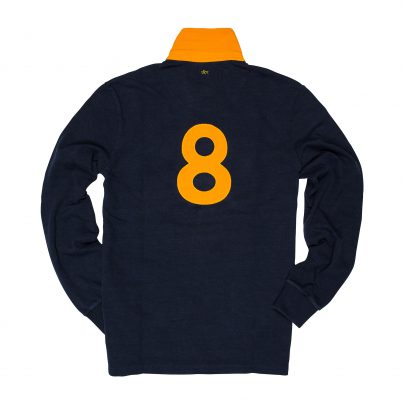
The Marlborough Nomads shirt features a number 8, while the Flamingoes shirt carries number 15, giving individual designs another connection with the traditions of early rugby.
Why 1871 Matters
The year 1871 is fundamental to the history of rugby union.
It was the year in which the Rugby Football Union was established and the first international rugby match was played between England and Scotland.
The two events helped establish the foundations of organised international rugby.
The RFU’s creation also gave the developing English game a central governing structure, helping establish common rules and a framework for the sport’s future development.
The clubs represented in this collection were there at the beginning.
Bringing the Founding Clubs Back to Life
Black & Blue 1871 has taken inspiration from these 13 forgotten founding clubs and created a new identity for each.
The intention is not to suggest that these modern shirts are original nineteenth-century garments.
Instead, they are a celebration of the clubs and the people who created the foundations of organised rugby.
By wearing one of these shirts, the story of a club such as Flamingoes, Law Club, Marlborough Nomads or West Kent can continue to be told.
In that sense, the collection creates a new chapter in the history of clubs that disappeared more than a century ago.
Vintage 1871 Founding Club Rugby Shirts
Our 1871 Founding Club rugby shirts combine historical inspiration with modern construction.
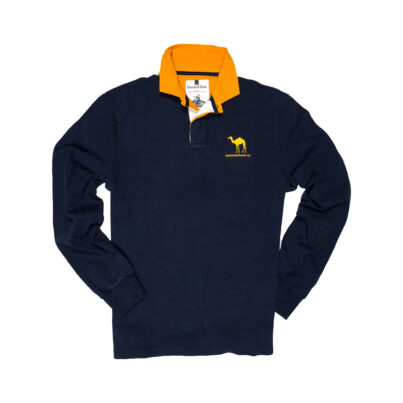
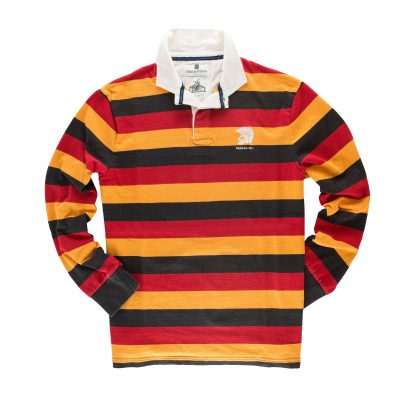
The shirts are made from heavyweight 380gsm slub cotton and use vintage colour dyes and a distressed wash to create an old-school appearance. Embroidered club details, 1871 neck detailing and, on selected designs, historic-inspired number or letter patches add further character.
Some designs are embroidered to order, making the collection particularly suited to customers looking for a distinctive rugby shirt rather than a mass-market replica jersey.
Discover the 1871 Founding Clubs
The 1871 Founding Club collection offers a different way to explore rugby history.
Instead of starting with famous international teams, it starts with the clubs that gathered in London in January 1871 and helped create the organisation that would govern English rugby.
Discover the forgotten names of early rugby — Addison, Belsize Park, Clapham Rovers, Flamingoes, Gipsies, Lausanne, Law Club, Marlborough Nomads, Mohicans, Queen’s House, Ravenscourt Park, West Kent and Wimbledon Hornets — and explore the stories behind the clubs that helped establish the game we know today.
Some shirts are embroidered to order and so may take a little longer to deliver. Please get in touch with us if your order is urgent – via email: [email protected]
The Black & Blue 1871 founding club rugby shirt is made with a heavyweight slub cotton which gives the shirt a hard wearing yet soft and comfortable retro style finish.
This vintage ‘old school’ shirt combines heritage colour dyes with a distressed wash to produce a nicely worn-in look and feel.
Care instructions:

Love what we are about? Get involved.
SIGN UP TO OUR NEWSLETTER